St PetersCE Primary School
Overview of Maths
“[When asked why are numbers beautiful?] It’s like asking why is Ludwig van Beethoven’s Ninth Symphony beautiful. If you don't see why, someone can't tell you. I know numbers are beautiful. If they aren't beautiful, nothing is.”
― Paul Erdos
Curriculum Design:
The 2014 national curriculum in mathematics set out three main aims: to become fluent in the fundamentals of mathematics; to reason mathematically and to solve problems. The rationale for this change is that England is significantly underachieving in terms of developing mathematicians capable of success at GCSE and A-Level. The journey to this success begins at Primary level and recent research suggests that those groups identified as able mathematicians are simply allowed to progress through the curriculum at a faster pace. This promotes procedural learning at the expense of deep understanding.
At St. Peter’s we want children to develop deep and sustainable subject knowledge. We achieve this by focusing teaching and learning on:
- Fluency – mental agility, slick written methods and clarity of language.
- Problem solving and reasoning – pupils develop a range of skills that allow them to ‘crack’ into and solve a range of problem
- Teaching for mastery – all lessons are planned and delivered with the 5 principles of mastery in mind.
Curriculum Design (Maths Mastery):
The Mastery-learning model forms the basis of our approach to traditional teaching. This means spending greater time going into depth about a subject as opposed to racing through the things that all children should know. Previously, racing through content lead to some children having large gaps in subject knowledge because the concept they had just learnt was either too big or learnt too quickly. As a Primary school, it is our duty to ensure that children have an absolutely solid, concrete understanding of subject knowledge and skills as well as being emotionally resilient for secondary school. It is about deep and sustainable learning for all children.
Teaching for mastery is underpinned by 5 key principles:
- Cohesion: Sufficient time is spent on well planned sequences to ensure that key concepts are developed and deeply embedded before moving on.
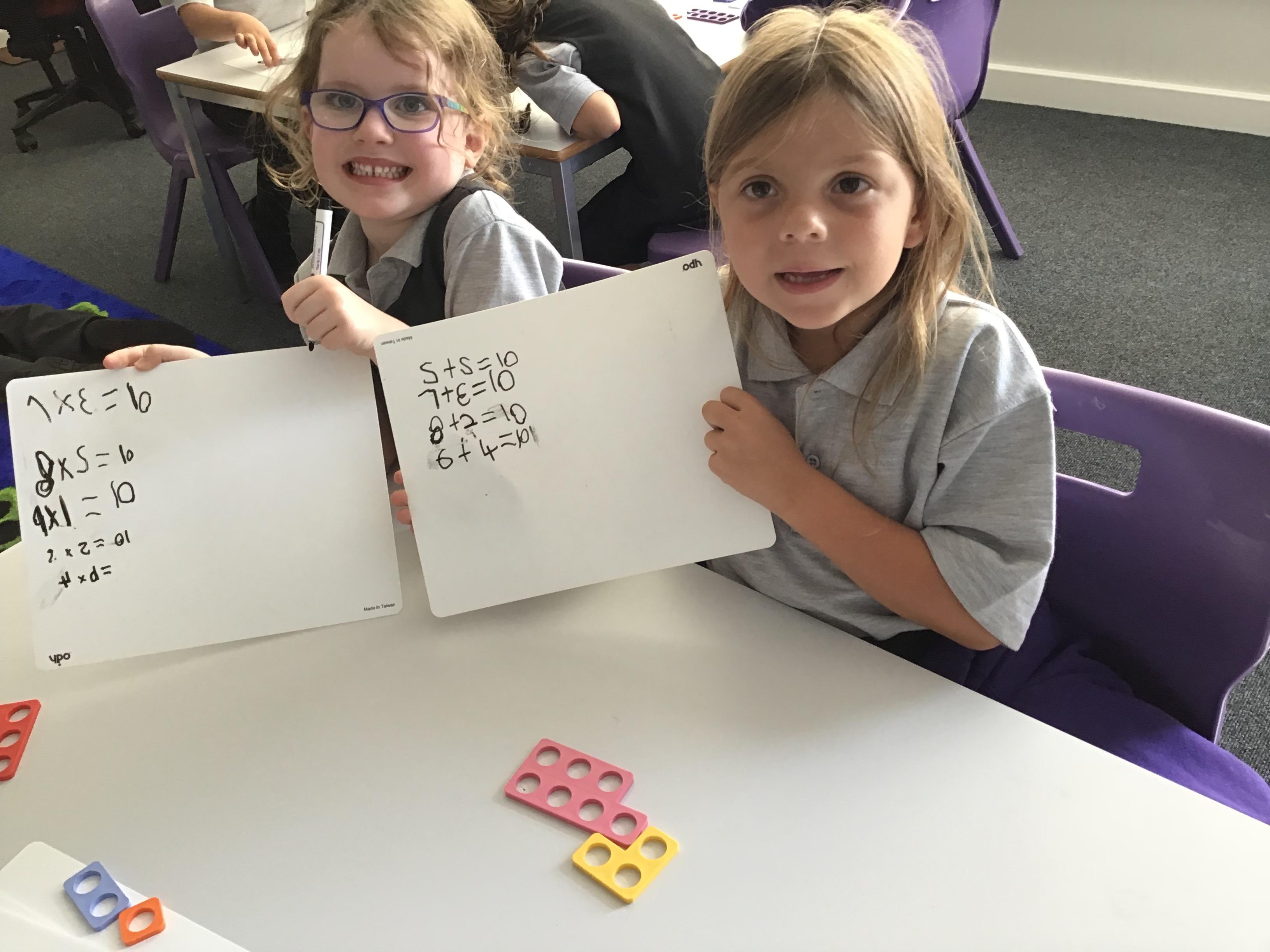
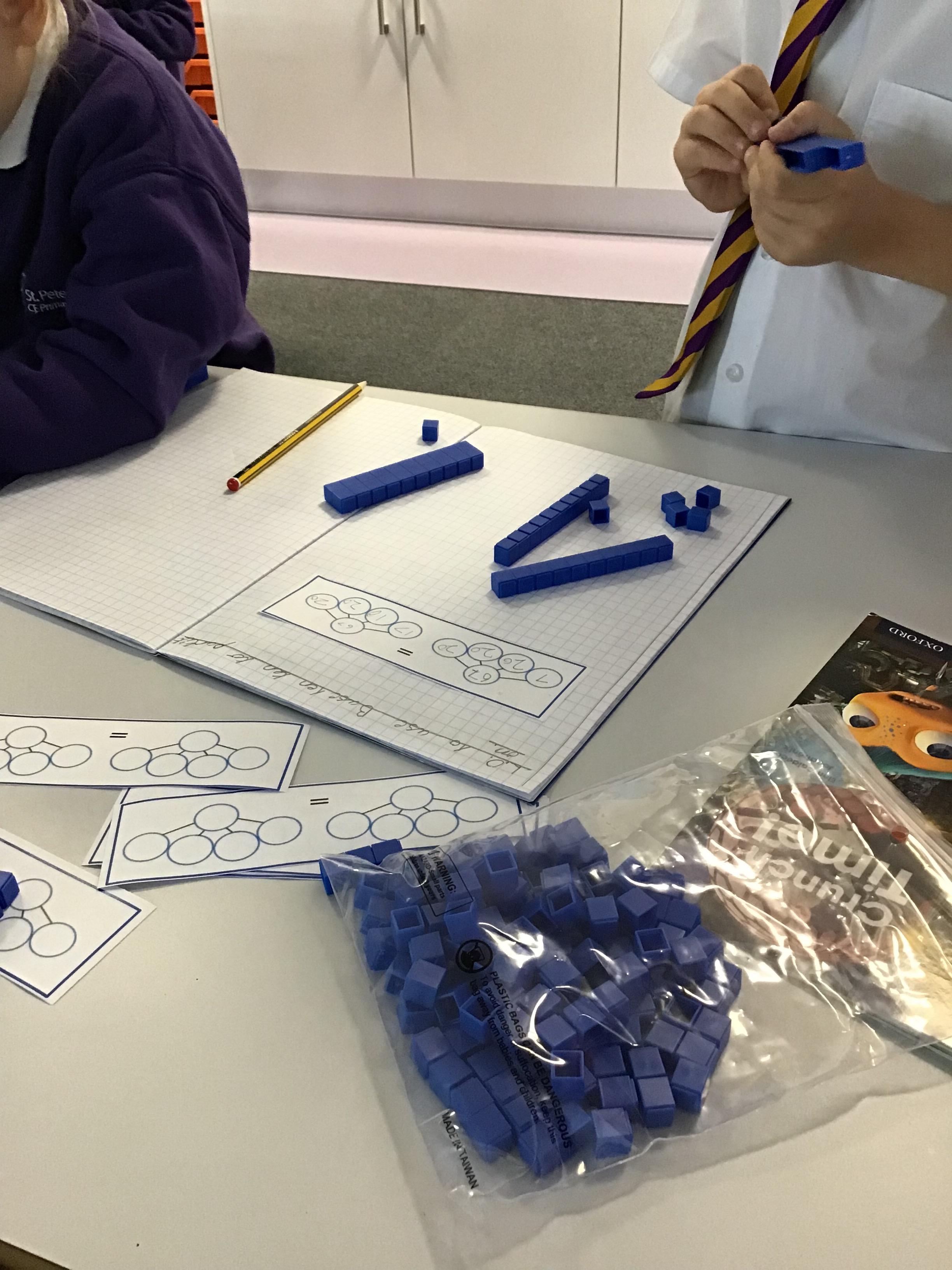
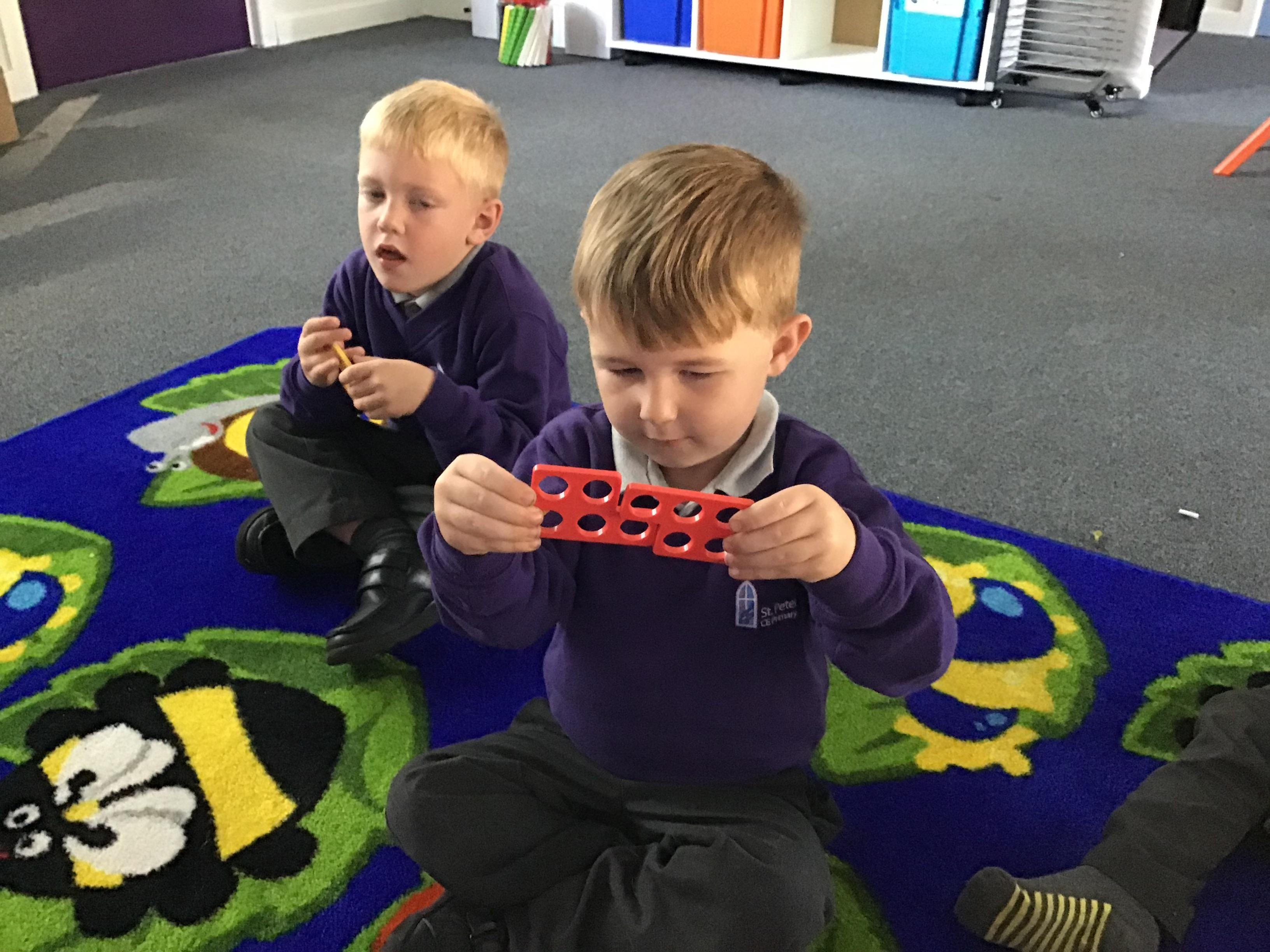
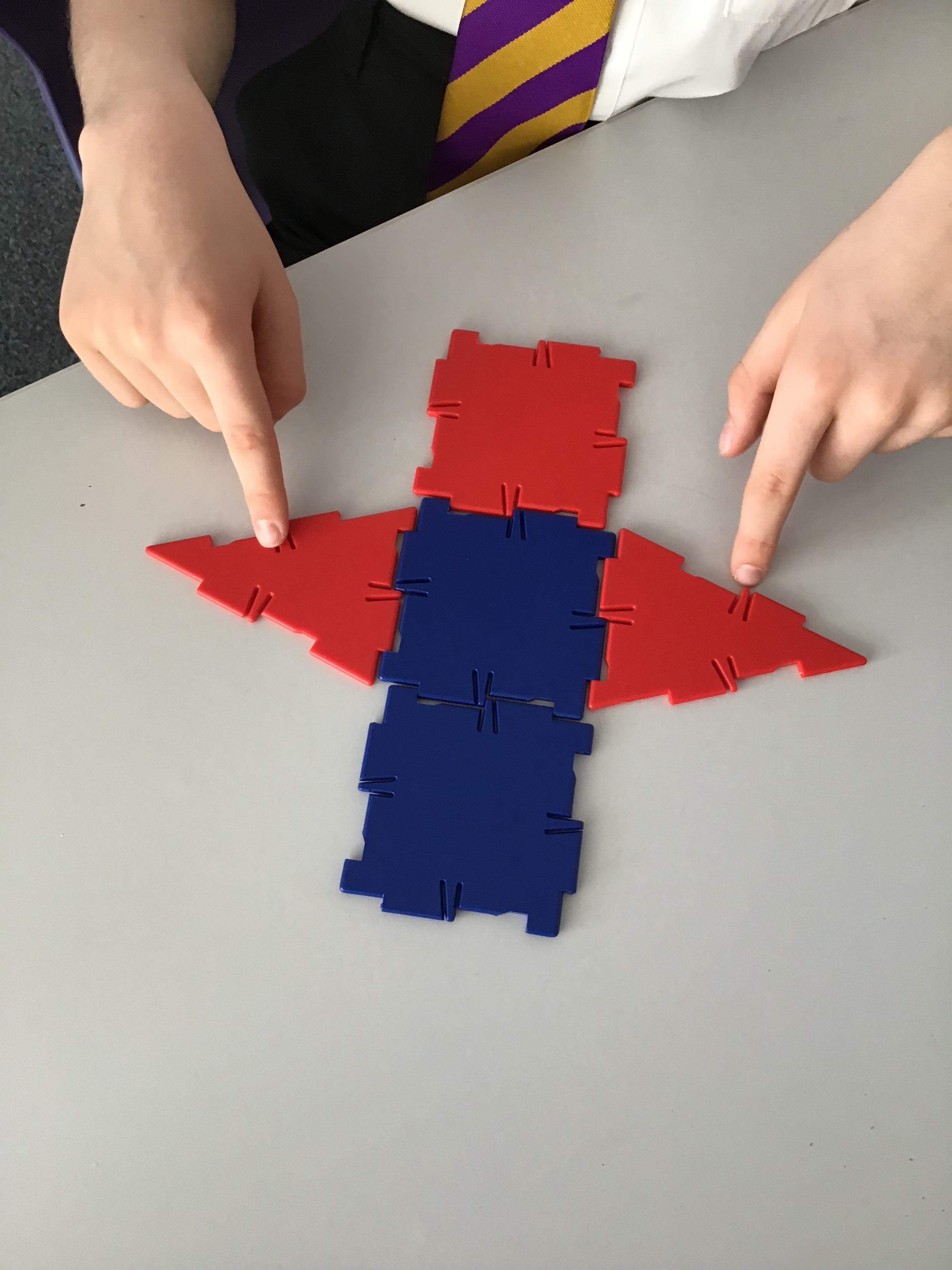
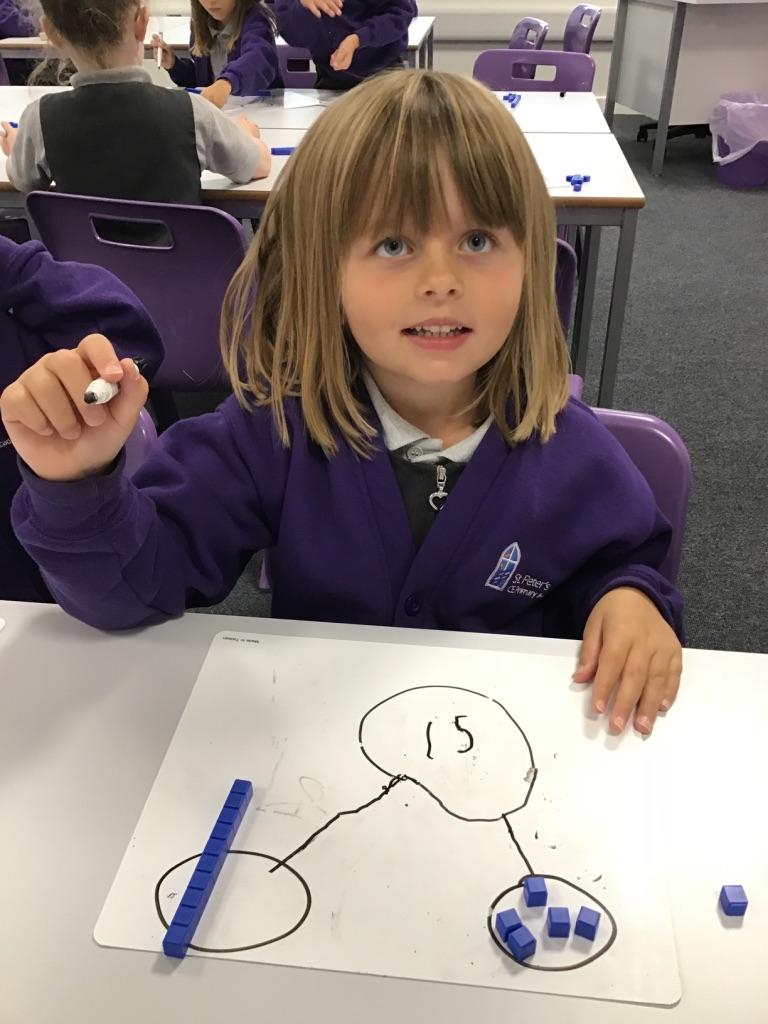
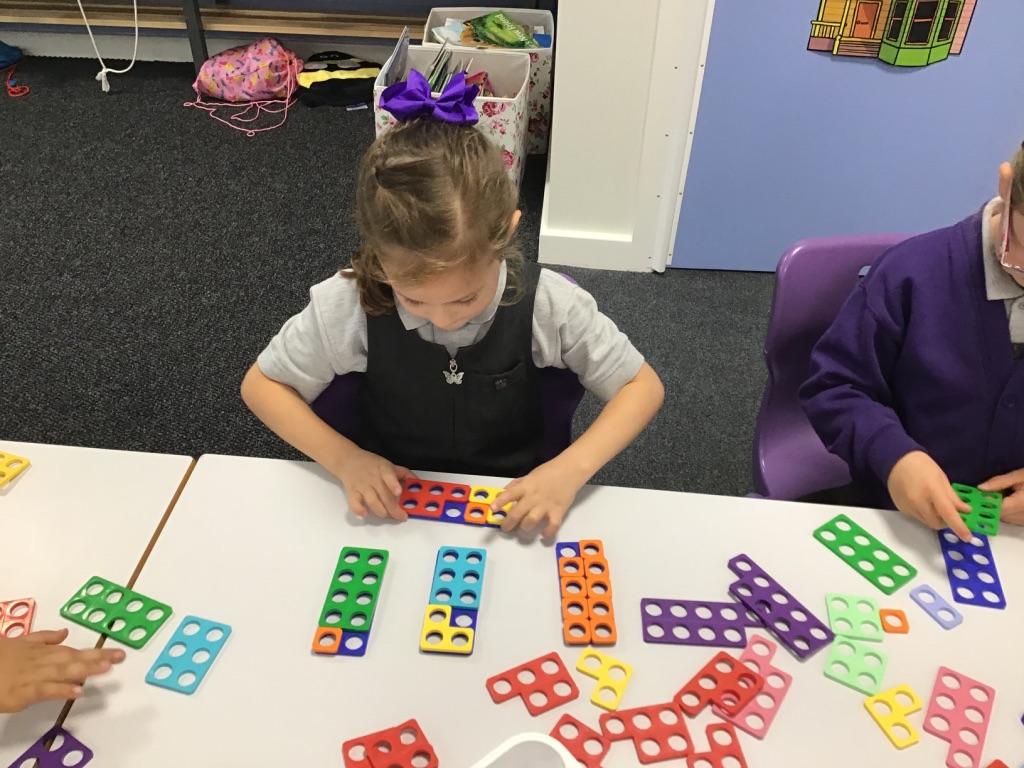
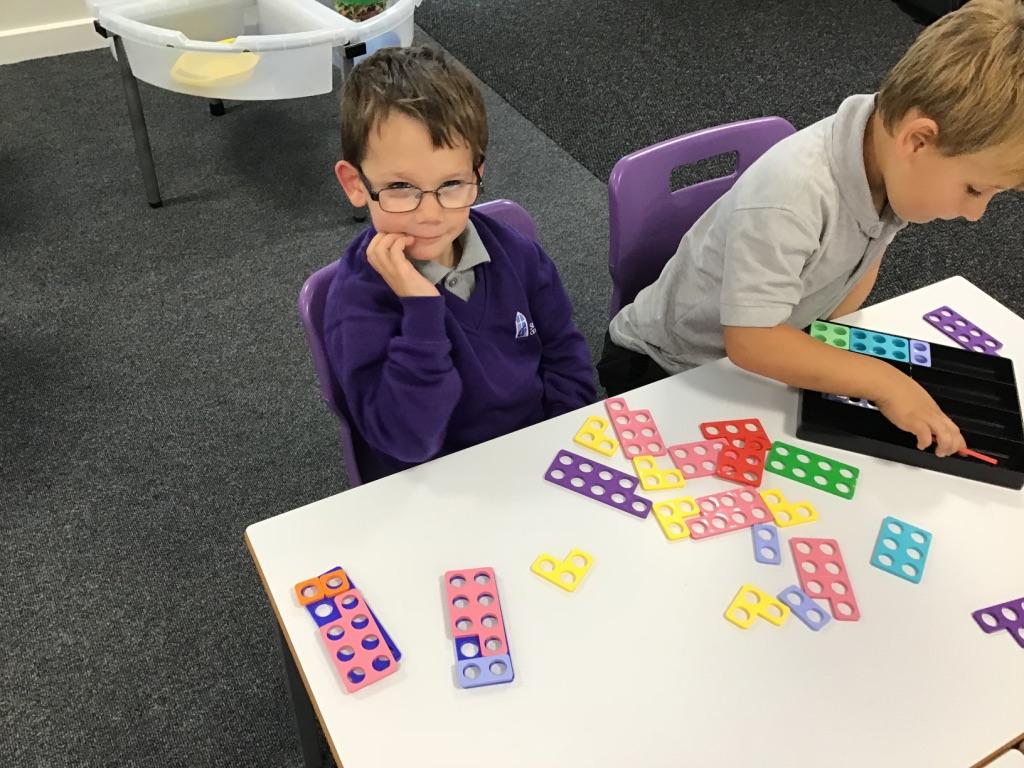
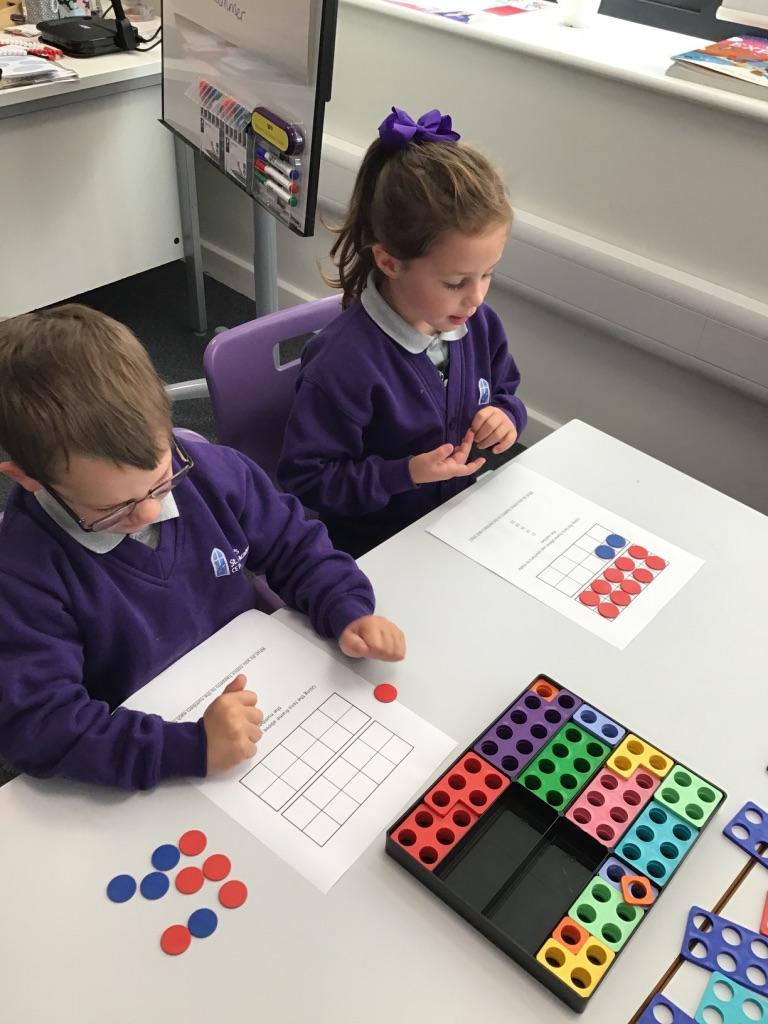
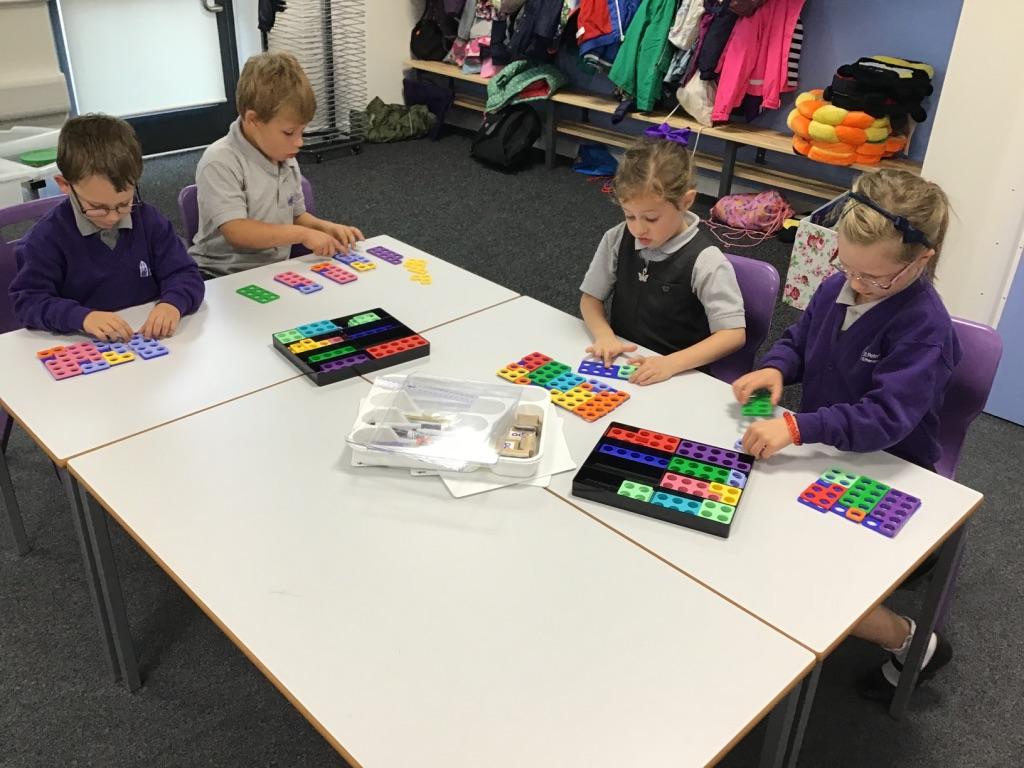
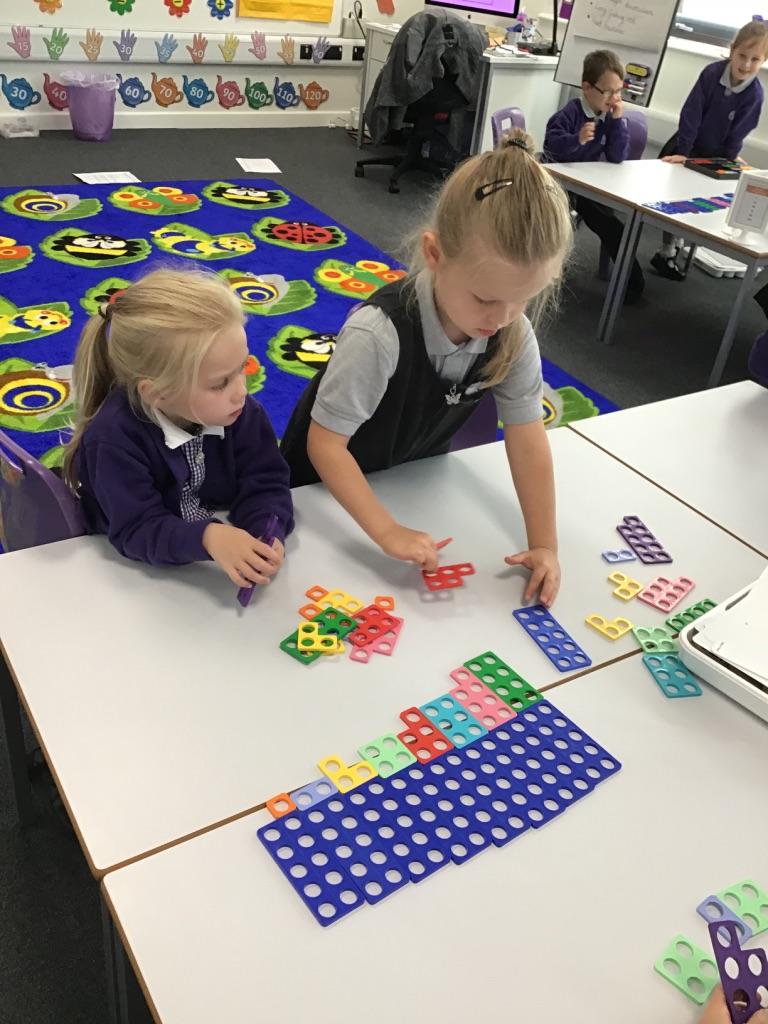
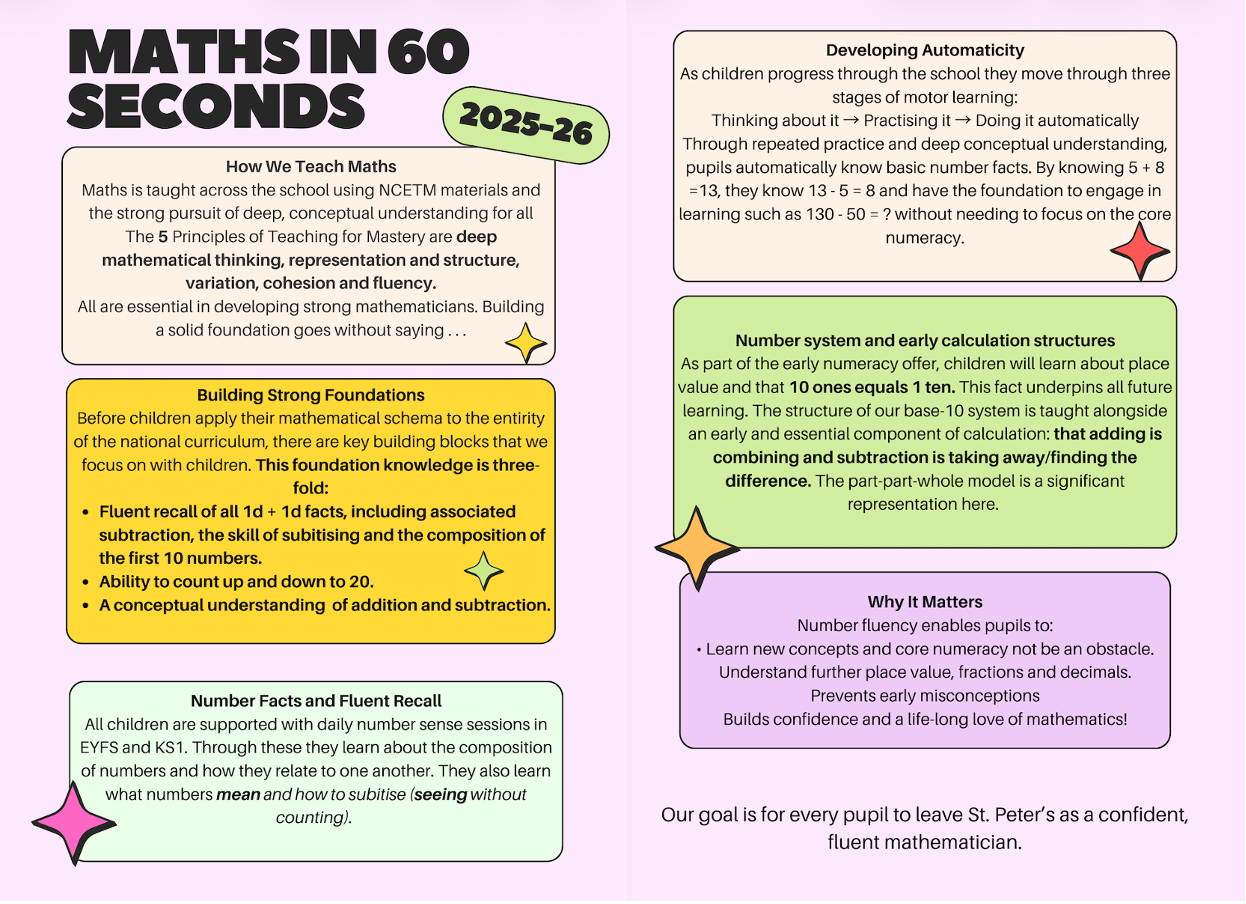
- Representation and structure: Mathematical concepts are explored and understood through strong models and images such as Base 10, 10-grids, numicon, block modelling, cuisenaire.
- Fluency: Factual knowledge (e.g. number bonds and times tables), procedural knowledge (e.g. formal written methods) and conceptual knowledge (e.g. of place value) are taught in a fully integrated way and are all seen as important elements in the learning of mathematics. Children are able to efficiently select the best method from a variety that they have developed to solve problem. At St. Peter’s, we use Big Maths to ensure daily fluency opportunities.
- Variation: Conceptual variation and procedural variation are used extensively throughout teaching, to present the mathematics in ways that promote deep, sustainable learning. This is especially evident in the practice that children are given in each session.
- Deep mathematical thinking: The reasoning behind mathematical processes is emphasised. Teacher/pupil interaction explores in detail how answers were obtained, why the method/strategy worked and what might be the most efficient method/strategy.
Knowledge Acquisition and Lesson Design:
Our curriculum intent for mathematics and approach to mastery lesson design translate to the following practice in the subject:
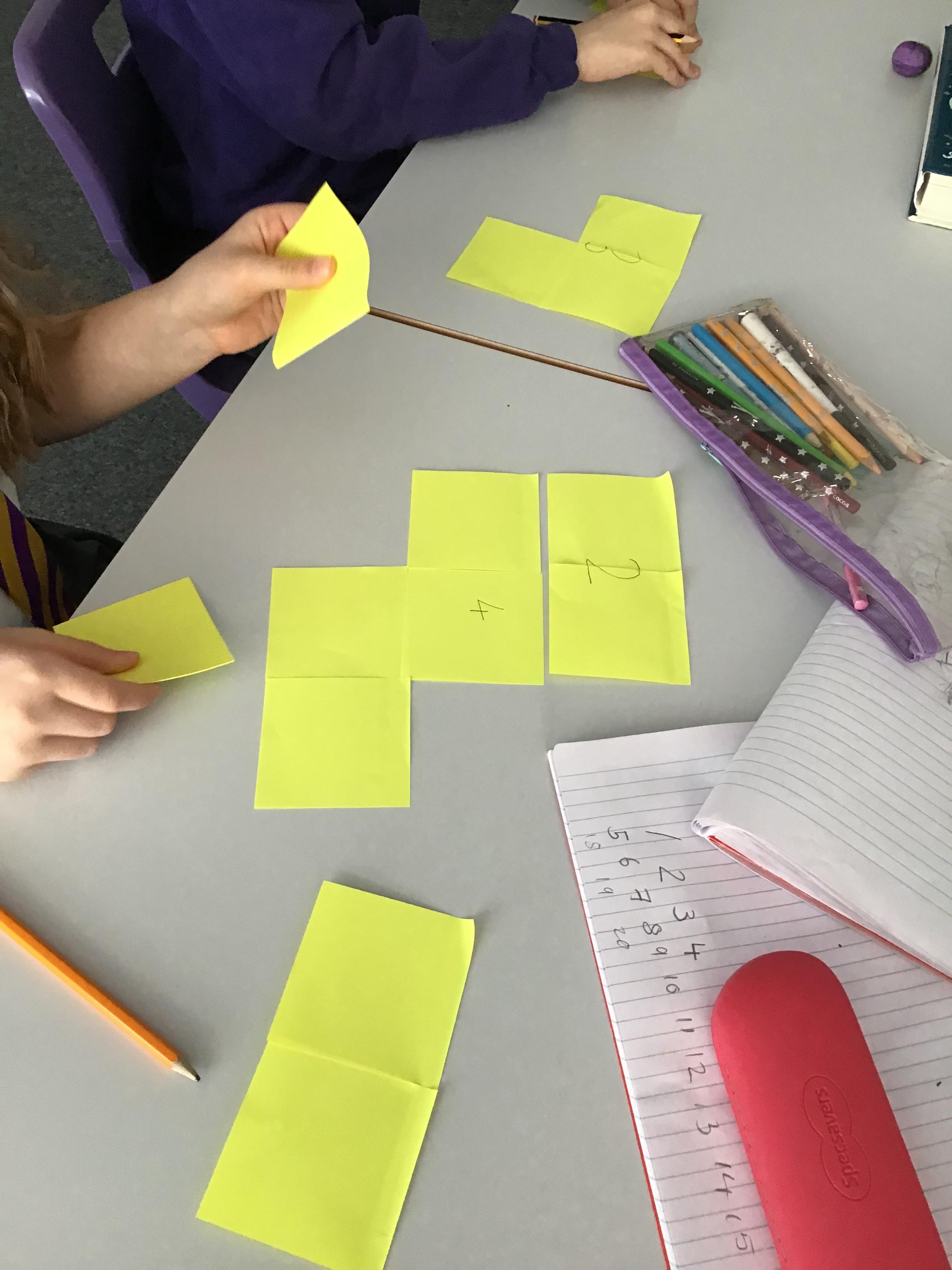
- There is regular interchange between concrete/contextual ideas and their abstract/symbolic representation.
-
Each lesson begins with a Number Sense session (typically lasting 10–15 minutes). These short, focused daily activities develop children's fluency, number sense, intuition and flexibility with numbers, providing a strong foundation for mathematical understanding.
-
The teacher-led element of the lesson (typically 20–25 minutes) involves deep mathematical thinking, rich discussion, explicit teaching, guided practice and purposeful mathematical games. This part of the lesson focuses on developing conceptual understanding while encouraging children to explain, justify and reason about their thinking. The remaining part of the lesson (typically 25–30 minutes) is used for practice, application and targeted intervention. Children may complete the same carefully designed activity, with support and challenge provided through responsive teaching. Scaffolding is used where needed to secure understanding, while deeper questioning, reasoning and problem-solving enable children to think more deeply about the same mathematical concepts, ensuring all pupils achieve success and make progress. Specifically, the work will be a LEHC problem, rich mathematical game/activity OR a series of challenges.
Challenge 1:
- Skills practice. Core learning (e.g. 23 x 6 = )
Challenge 2:
- Tough to define but complexity is increased (one step thinking, some scaffold).
- Application of the key skill e.g. worded problems.
- Non-routine contexts e.g. missing number problems.
- Examples include, True or False, Missing number problems, Continue a pattern.
Challenge 3:
- Complex, non-routine problems and reasoning.
- Multiple steps, complex thinking and detailed reasoning.
4. The whole class is taught mathematics together, with no differentiation by acceleration to new content. The learning needs of individual pupils are addressed through careful scaffolding, skilful questioning and appropriate rapid intervention, in order to provide the necessary support and challenge.
5. Mathematical generalisations are emphasised as they emerge from the underlying mathematics and are regularly rehearsed and chanted to help children internalise key mathematical ideas. Carefully selected stem sentences support children in explaining their thinking, justifying their reasoning and making links between concepts using precise mathematical language.
6. Throughout the teacher-led input, pupils regularly engage in short, purposeful tasks and pupil-to-pupil discussion. These opportunities for guided practice allow teachers to check understanding, address misconceptions and adapt teaching in response to pupils' needs.
7. Teachers discuss their mathematics teaching regularly with colleagues, sharing teaching ideas and classroom experiences in detail and working together to improve their practice.
8. Formative assessment is carried out throughout the lesson; the teacher regularly checks pupils’ knowledge and understanding and adjusts the lesson accordingly.
Planning
Long-term planning maps have been constructed by the Maths Leader, drawing upon both the NCETM Professional Development Materials and White Rose Maths resources. These maps provide teachers with a clear progression of learning and guidance on where key mathematical concepts should be taught, ensuring consistency and coherence across the curriculum.
Medium-term planning will take the form of unit planning. Units are carefully designed around the National Curriculum objectives, the NCETM Ready to Progress Criteria and small steps taken from either the NCETM Professional Development Materials or White Rose Maths. This ensures learning is coherently sequenced, with clear progression of mathematical knowledge, skills and understanding, while supporting teachers to identify and target gaps through ongoing assessment.
Weekly planning is constructed by teachers using the rationale and progression outlined above. Additional resources, such as NRICH and Maths - No Problem!, may be used where appropriate. Planning ensures that the five principles of mastery are embedded throughout teaching and learning.
Books
Each lesson has a LO and short date. Challenge 1, 2 and 3 are written by the children in the book. Rich tasks, LEHC problems are always captured in maths books.
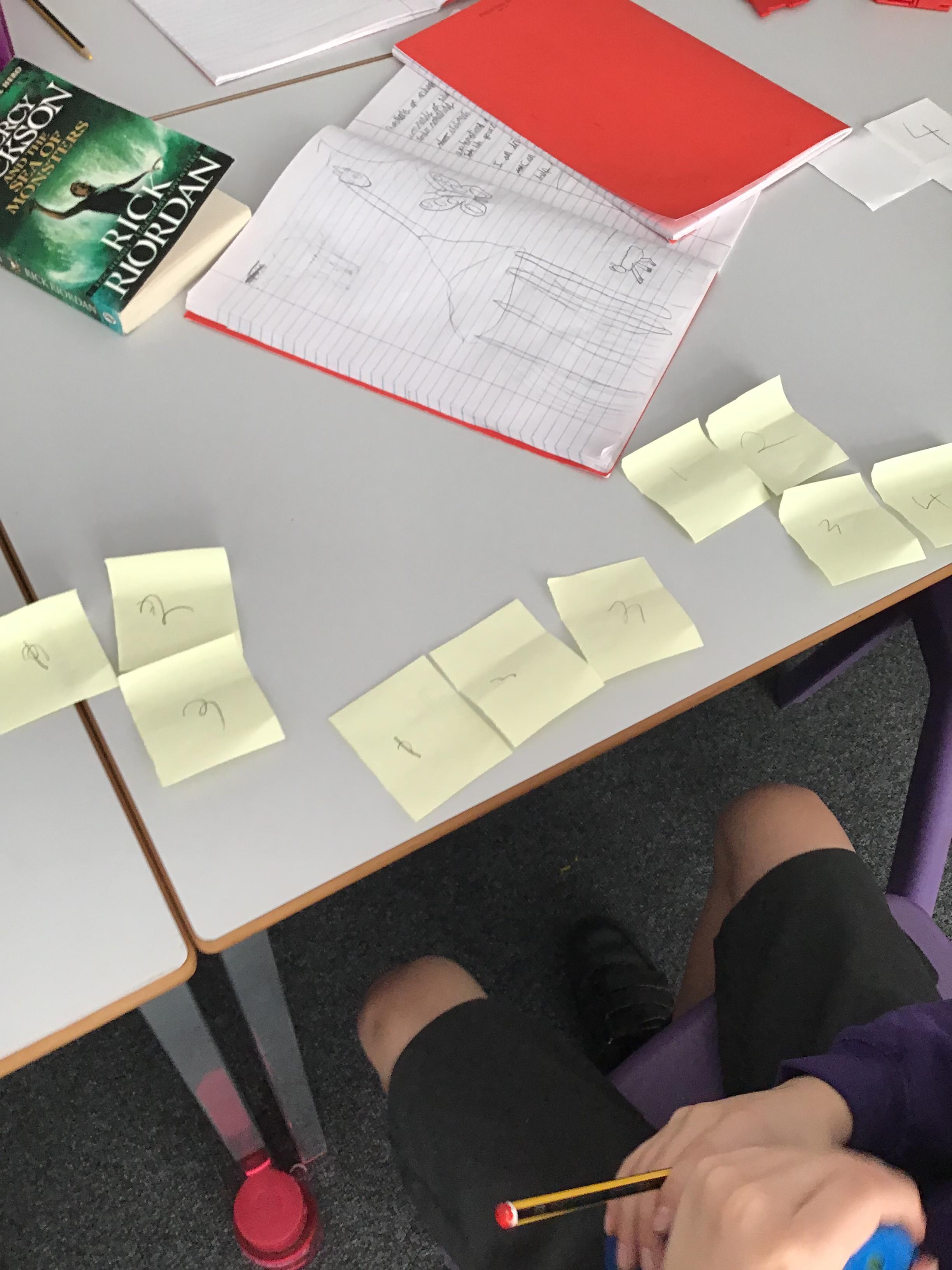
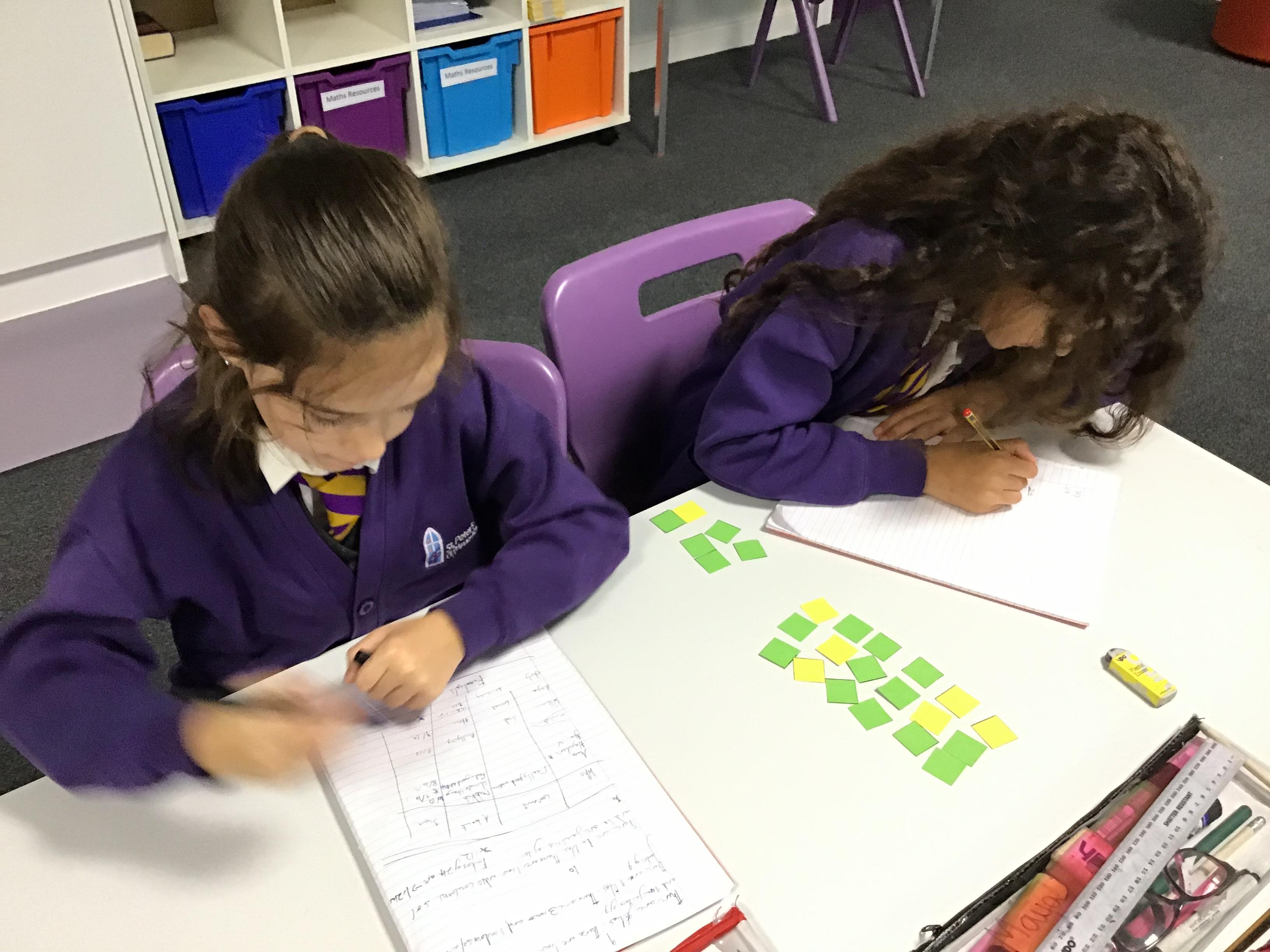
Maths journaling at St Peter’s provides all pupils with opportunities to draw, jot and write to explain their understanding of mathematical concepts. It encourages pupils to move from focusing on the ‘how’ of mathematics (completing tasks) to the ‘why’ through reflection, reasoning and making connections. Through teacher modelling and guided support, pupils develop increasing independence in using journaling as a tool for mathematical thinking and mastery.
For further guidance on feedback and assessment, see the policy.
Home Learning
We believe homework is most effective when it is small, manageable and focused, supporting children to practise key skills and helping parents engage with their child’s learning.
- Years 1–2: Homework will reinforce weekly Number Sense learning through simple activity sheets shared via Class Dojo, giving children the opportunity to consolidate taught strategies. They will also have access to NumBots to strengthen the recall of key number facts.
- Year 3: During the Autumn Term, homework will reinforce weekly learning from the daily Number Sense sessions through activities shared via Class Dojo, giving children the opportunity to consolidate taught strategies. From January, children will use Times Table Rock Stars to develop fluency and recall of multiplication facts.
- Years 4-6: Children will use Atom School for weekly maths homework linked to their classroom learning. They will also use Times Table Rock Stars to support the development of rapid and accurate recall of multiplication and division facts.
Maths in the Early Years
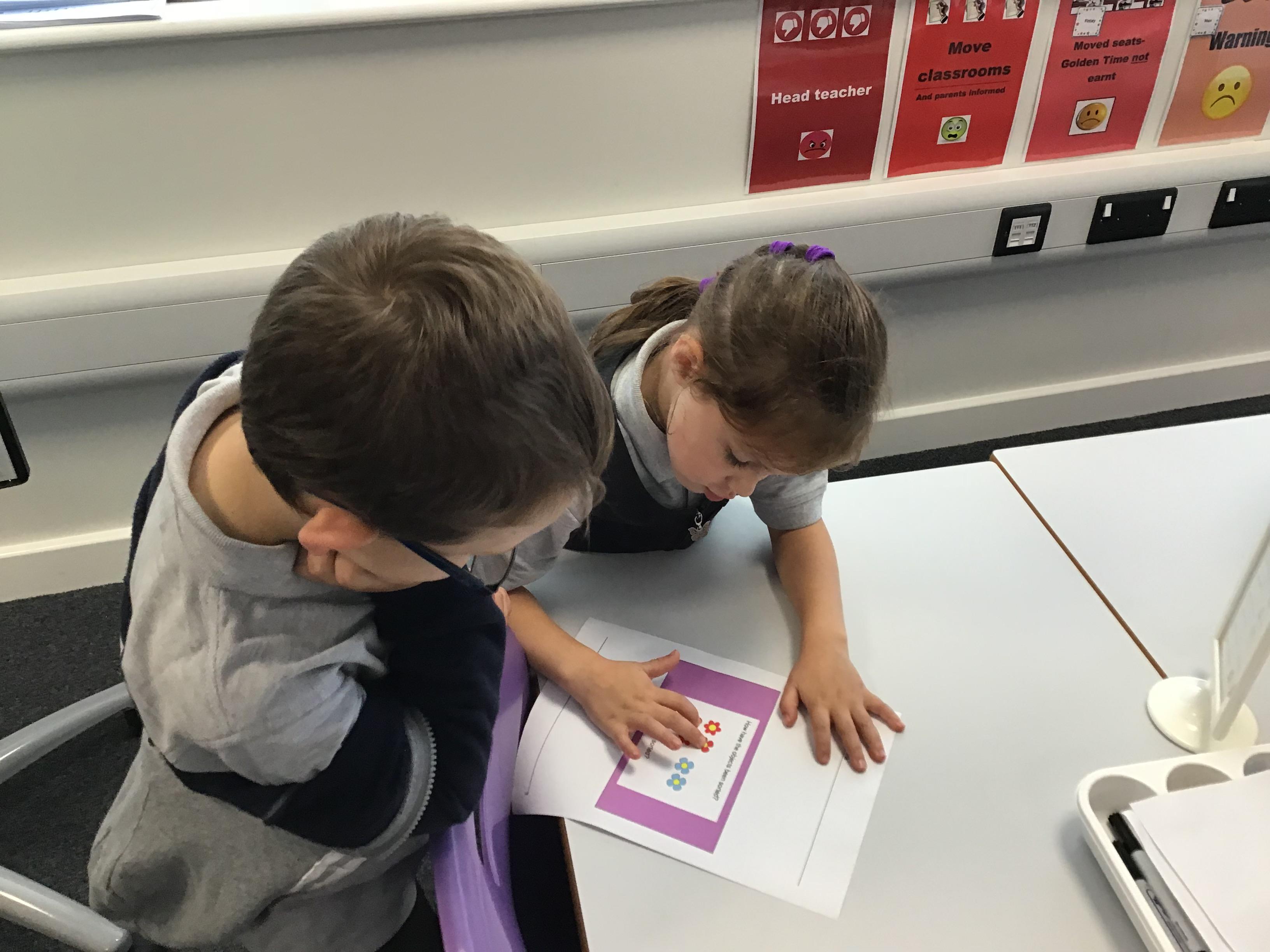
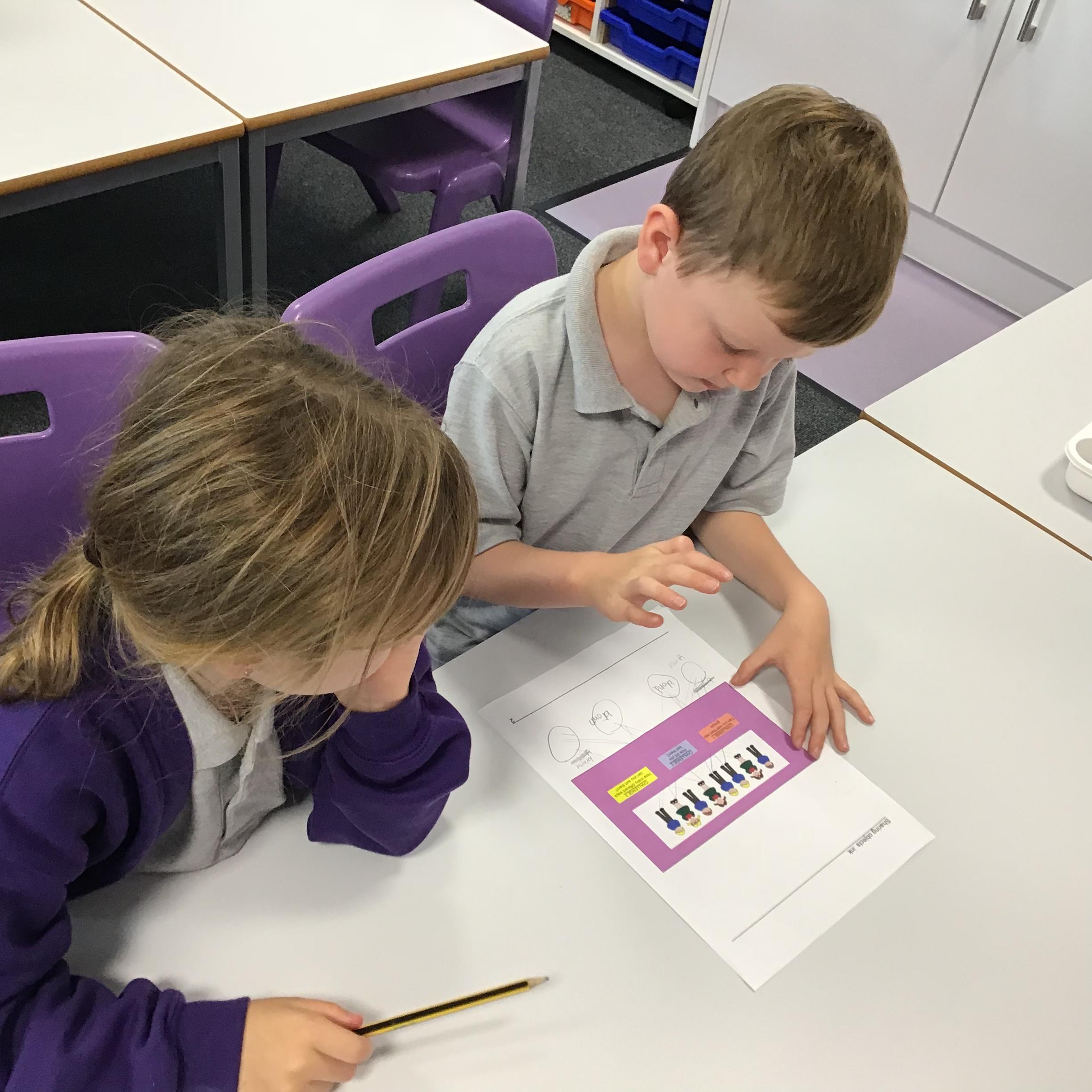
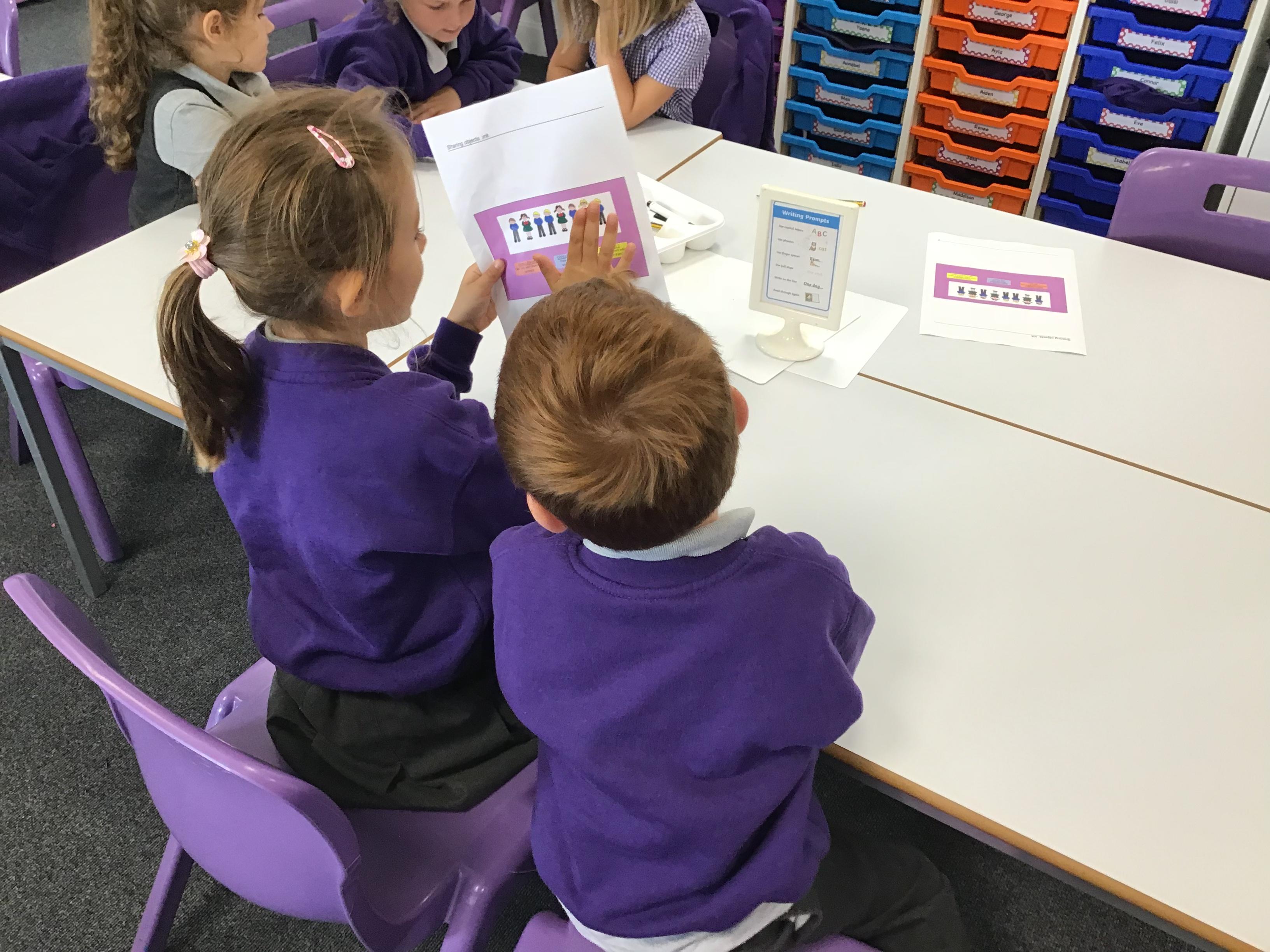
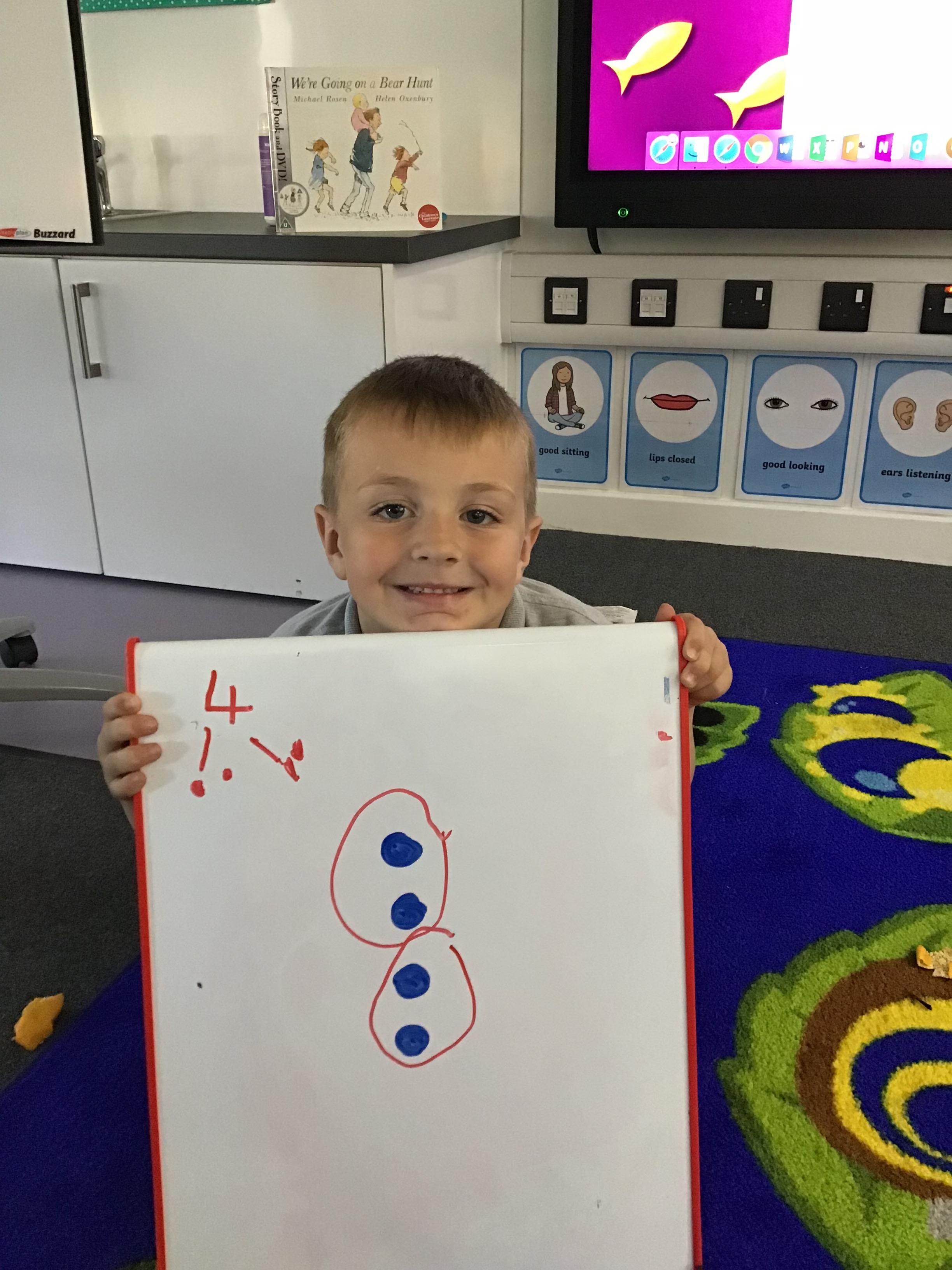
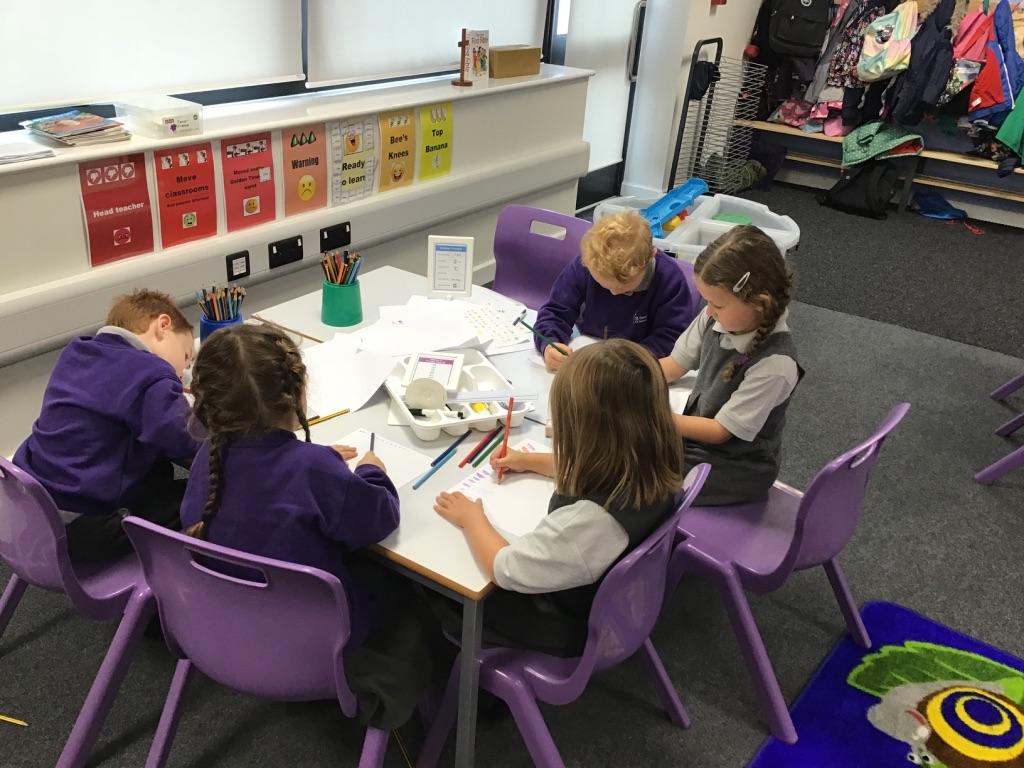
In our Early Years classrooms, children follow the EYFS curriculum through a balance of hands-on exploration, carefully planned experiences and purposeful mathematical discussion. Our intent is for children to become confident and fluent with numbers 1–10, developing secure counting skills alongside an understanding of addition, subtraction and place value.
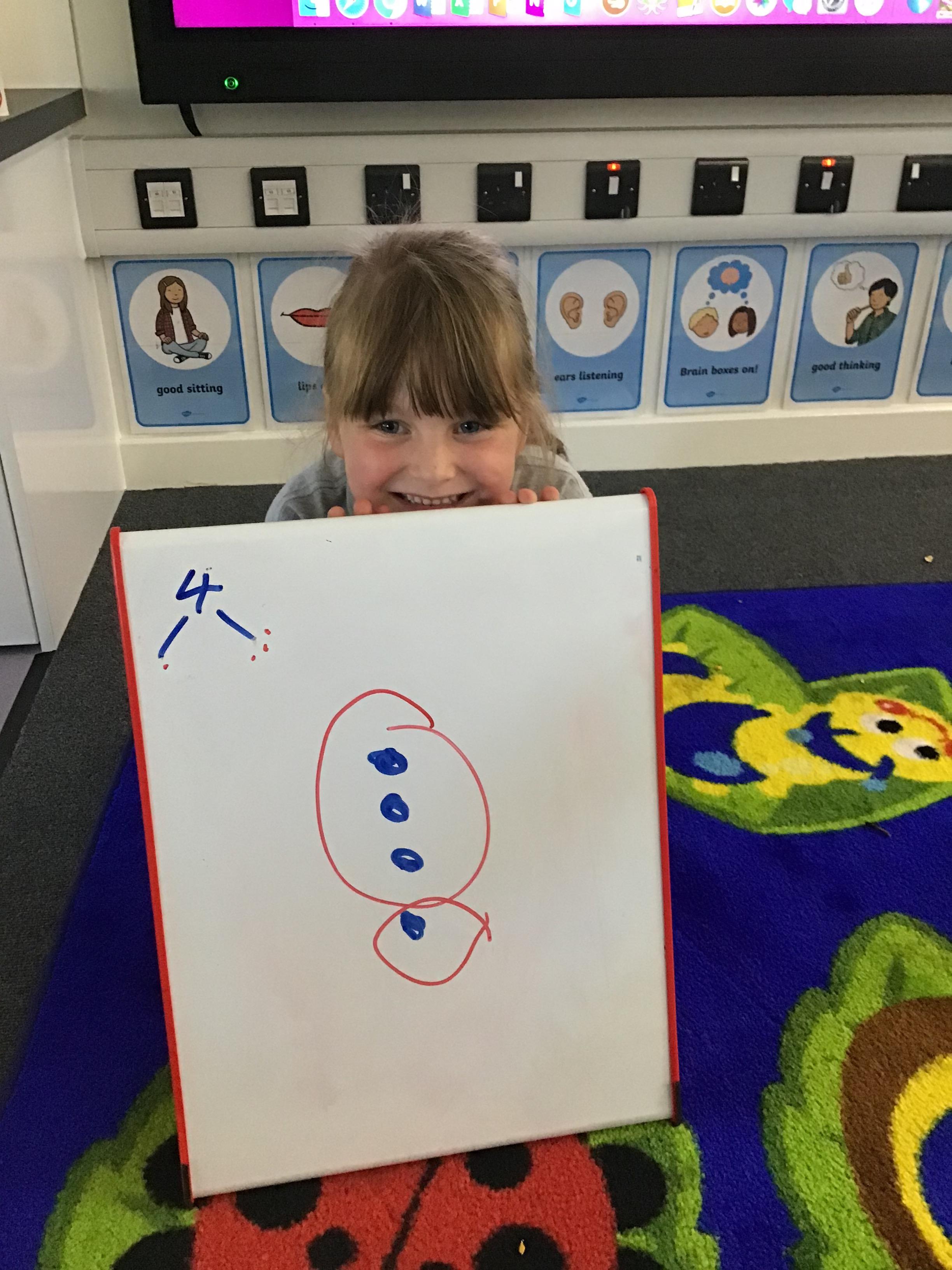
We use Number Sense and White Rose Maths to map key objectives and provide a coherent mastery approach, ensuring children develop strong foundations in mathematics. Daily maths sessions follow the structure of our wider maths curriculum, with a teacher-led element followed by opportunities for guided practice and independent application. Children complete carefully chosen tasks and activities, with teaching adapted to meet individual needs. Tasks encourage children to show their mathematical thinking through drawings, marks, models and representations, promoting early graphicacy skills and helping children communicate their ideas, explain their reasoning and develop a deeper understanding of mathematical concepts. Learning is then further consolidated through purposeful activities within continuous provision.